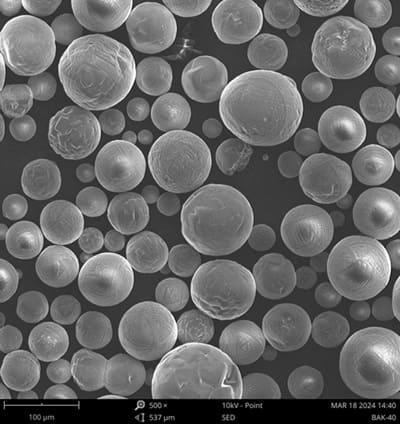
3D-Druck-Pulver 2025: Der ultimative Leitfaden für Materialien, Anwendungen und Lieferanten
Überblick über 3D-Druck-Pulver
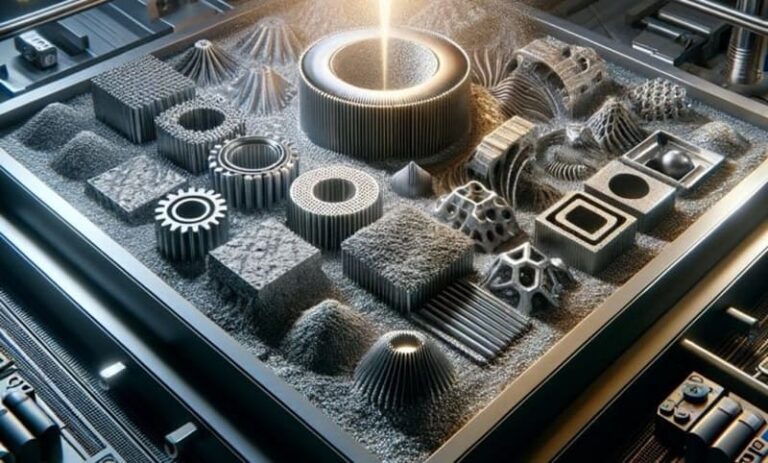
3D-Druck-Pulver ist ein fein gemahlenes Material, das in Technologien zur additiven Fertigung (AM) wie zum Beispiel Laser Powder Bed Fusion (LPBF), Electron Beam Melting (EBM), Binder Jetting und Direct Energy Deposition (DED). Diese Pulver gibt es in verschiedenen Metall-, Keramik- und PolymerformenJeder Typ bietet einzigartige mechanische Eigenschaften, Bedruckbarkeit und Anwendungen.
Im Jahr 2025, 3D-Druck-Pulver steht an der Spitze der Luft- und Raumfahrt, Medizintechnik, Automobilindustrie und industrielle Fertigungermöglicht leichte, hochfeste und komplexe Geometrien die die traditionelle Fertigung nicht leisten kann.
In diesem Leitfaden werden wir uns mit den Die besten 3D-Druck-Pulver, ihre Eigenschaften, Produktionsmethoden und Top-Anbieter im Jahr 2025.
Bestes 3D-Druck-Pulver für die additive Fertigung
Die bestes 3D-Druckpulver hängt ab von die Anwendung, die Druckerkompatibilität und die erforderlichen mechanischen Eigenschaften.
Die besten Metallpulver für den 3D-Druck
| Material | Wichtige Eigenschaften | Gemeinsame Anwendungen |
|---|---|---|
| Rostfreier Stahl 316L | Korrosionsbeständig, hohe Festigkeit | Medizinische Implantate, industrielle Teile |
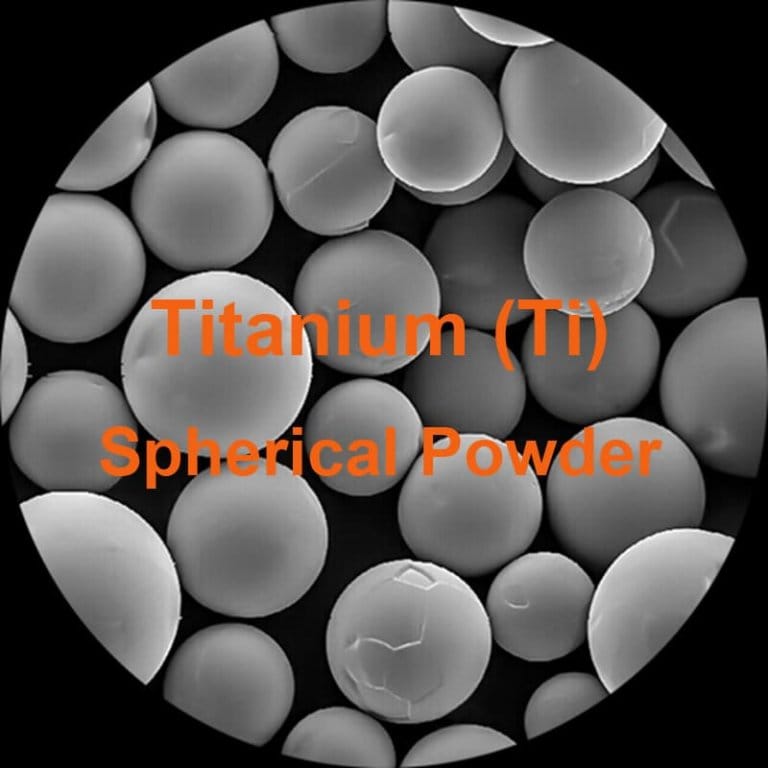
| Titan Ti6Al4V | Leicht, biokompatibel, hohes Verhältnis von Festigkeit zu Gewicht | Luft- und Raumfahrt, Medizintechnik, Automobilindustrie |
| AlSi10Mg-Aluminiumlegierung | Leichtes Gewicht, gute Wärmeleitfähigkeit | Automobilindustrie, Luft- und Raumfahrt |
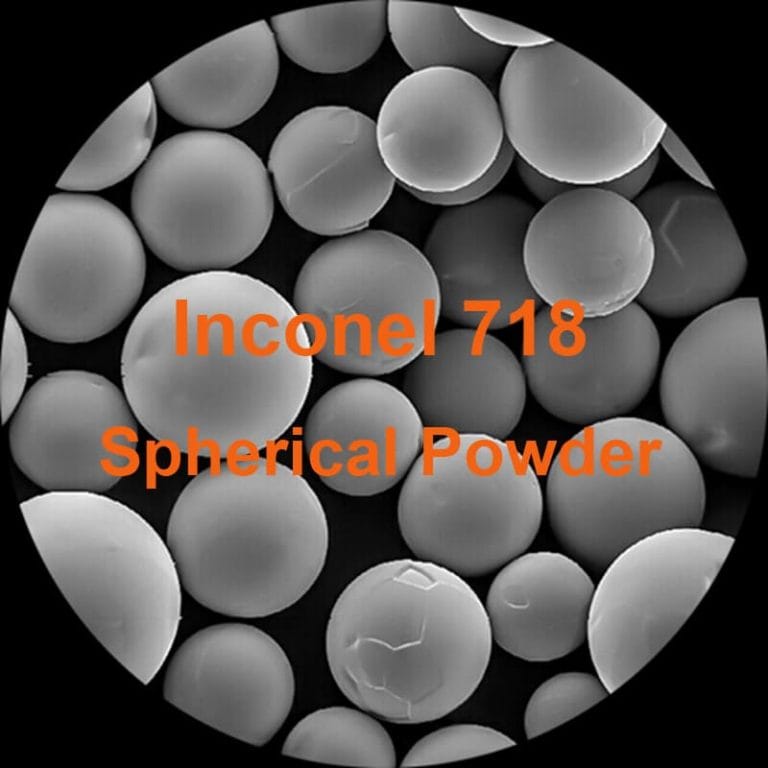
| Inconel 718 | Hochtemperaturbeständigkeit, oxidationsbeständig | Luft- und Raumfahrt, Energie, Verteidigung |
| Wolfram-Pulver | Hohe Dichte, Strahlungsabschirmung | Luft- und Raumfahrt, Verteidigung, nukleare Anwendungen |
| Molybdän-Pulver | Hochtemperaturfestigkeit, Wärmeleitfähigkeit | Elektronik, Luft- und Raumfahrt |
Jedes dieser Pulver ist kompatibel mit LPBF-, SLM-, EBM- und DED-Drucktechnologien.
Vergleich von 3D-Druckpulvertypen
| Typ | Stärke | Dichte | Schmelzpunkt (°C) | Korrosionsbeständigkeit | Kosten ($/kg) |
|---|---|---|---|---|---|
| Titan-Legierung | ★★★★☆ | Niedrig | 1660 | Hoch | $$$$ |
| Rostfreier Stahl | ★★★☆☆ | Mittel | 1400-1450 | Hoch | $$$ |
| Aluminium-Legierung | ★★★☆☆ | Niedrig | 660 | Mäßig | $$ |
| Inconel 718 | ★★★★★ | Hoch | 1300-1400 | Ausgezeichnet | $$$$ |
| Wolfram | ★★★★★ | Sehr hoch | 3422 | Ausgezeichnet | $$$$ |
Suche nach einem spezifisches 3D-Druckpulver? Sehen Sie sich die Produkte von Heeger Materials an für hochwertige Metallpulver.
Wie man das richtige 3D-Druckpulver auswählt
Die Wahl des richtigen 3D-Druck-Pulver hängt von mehreren Faktoren ab:
- Zusammensetzung des Pulvers - Wählen Sie reine Metalle oder Legierungen je nach Anwendungsbedarf.
- Partikelgrößenverteilung (PSD) - Übliche Größen:
- 15-45µm (LPBF, SLM)
- 45-75µm (EBM, DED, Binder Jetting)
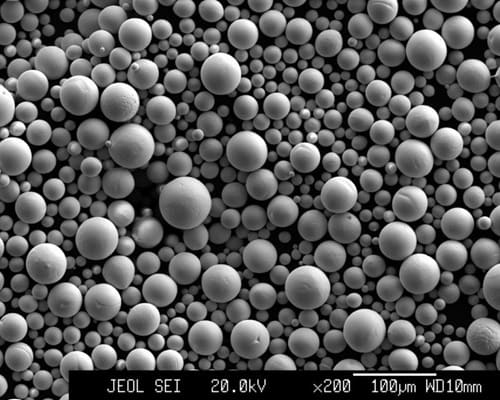
- Morphologie des Pulvers - Sphärische Pulver anbieten bessere Fließfähigkeit und Bedruckbarkeit.
- Reinheit und Sauerstoffgehalt - Niedriger Sauerstoffgehalt verbessern mechanische Leistung.
- Drucker-Kompatibilität - Stellen Sie sicher, dass das Pulver optimiert ist für Ihr spezifischer AM-Prozess.
Heeger Materials Inc. angebote angepasst 3D-Druck Pulver zugeschnitten auf Ihre spezifischen Bedürfnisse.
Kontaktieren Sie uns für ein Angebot auf hochwertige kugelförmige Metallpulver.
Top-Lieferanten im Jahr 2025
Die Suche nach einem zuverlässiger Lieferant ist entscheidend für gleichbleibende Qualität, Wiederholbarkeit und Leistung in additive Fertigung.
Führende Anbieter
| Name des Lieferanten | Land | Spezialisierung | Produktionsmethoden | Website |
|---|---|---|---|---|
| Heeger Materials Inc. | USA | 3D-Druck von Metallpulvern | VIGA, PREP, Gaszerstäubung | Website besuchen |
| Höganäs | Schweden | Metall-Pulver | Wasserzerstäubung | K.A |
| Oerlikon Metco | Schweiz | Luft- und Raumfahrt & Medizintechnik AM-Pulver | Gaszerstäubung | K.A |
| Sandvik | Schweden | Additive Fertigung | Gaszerstäubung | K.A |
Warum sollten Sie sich für Heeger Materials entscheiden?
- über 40 Jahre Erfahrung in der Pulvermetallurgie.
- Fortschrittliche Produktionsverfahren sicherstellung hochreine kugelförmige Pulver.
- Starke Kooperationen mit Universitäten, Forschungsinstitute und Luft- und Raumfahrtunternehmen.
- Wettbewerbsfähige Preise & weltweiter Vertrieb.
Suche nach hochwertiges 3D-Druckpulver? Kontaktieren Sie uns noch heute!
Qualitätsstandards
Sicherstellung hochwertiges 3D-Druckpulver ist wesentlich für Wiederholbarkeit, mechanische Leistung und Zuverlässigkeit der Teile. Verschiedene internationale Normen und Zertifizierungen regeln die Produktion, Handhabung und Anwendung von diesen Pulvern.
Wichtige Qualitätsstandards
| Standard | Beschreibung |
|---|---|
| ASTM F3049 | Spezifikation für Charakterisierung von Metallpulvern in der additiven Fertigung. |
| ASTM F3302 | Standard für Metallpulver, die bei AM-Prozessen im Pulverbettschmelzverfahren (PBF) verwendet werden. |
| ISO 52907 | Leitlinien für Qualitätskontrolle von Pulvern für die additive Fertigung. |
| AMS 4999 | Luft- und Raumfahrt-Materialspezifikation für Pulver auf Titan- und Nickelbasis. |
| RoHS-Konformität | Gewährleistet umweltsicherheit durch Begrenzung gefährlicher Stoffe. |
Warum sollten Sie sich für zertifiziertes 3D-Druck-Pulver entscheiden?
- Gewährleistet einheitliche Partikelgröße und -form - Entscheidend für Pulverbettschmelzverfahren (PBF).
- Hervorragende mechanische Eigenschaften - Trifft anforderungen an Festigkeit, Härte und thermische Stabilität.
- Niedriger Sauerstoffgehalt und Verunreinigungen - Hochreine Pulver verbessern Integrität und Leistung der Teile.
- Einhaltung der Luft- und Raumfahrt- sowie der medizinischen Vorschriften - Wesentlich für hochleistungsanwendungen.
Unter Heeger Materials Inc.wir fertigen hochwertige 3D-Druck-Pulver die erfüllen ASTM-, AMS- und ISO-Normenund gewährleistet optimale Druckbarkeit und Konsistenz.
Kostenanalyse
Der Preis für 3D-Druck-Pulver wird beeinflusst durch materialzusammensetzung, herstellungsverfahren und nachfrage.
Faktoren, die die Kosten für 3D-Druckpulver beeinflussen
- Produktionsverfahren - Gaszerstäubung und Plasmazerstäubung produzieren höherwertige kugelförmige Pulver, was die Kosten erhöht.
- Partikelgrößenverteilung - Feine Pulver (15-45µm) für LPBF sind teurer aufgrund von höhere Verarbeitungsgenauigkeit.
- Reinheitsgrade - Geringerer Sauerstoff- und Schwefelgehalt erhöht die Kosten, aber verbessert die mechanische Leistung.
- Angebot und Nachfrage weltweit - Die Preise schwanken je nach Verfügbarkeit von Rohstoffen und Branchentrends.
Vergleich der Preise
| Pulver Typ | Kosten ($/kg) | Allgemeiner Anwendungsfall |
|---|---|---|
| Titan Ti6Al4V | 250-250 – 250-600 | Luft- und Raumfahrt, medizinische Implantate |
| Rostfreier Stahl 316L | 80-80 – 80-150 | Allgemeiner Maschinenbau, medizinische Anwendungen |
| Inconel 718 | 200-200 - 200-500 | Hochtemperaturteile für die Luft- und Raumfahrt |
| AlSi10Mg-Aluminiumlegierung | 50-50 – 50-120 | Automobilbau, Leichtbaustrukturen |
| Wolfram-Pulver | 300-300 - 300-800 | Strahlungsabschirmung, Luft- und Raumfahrt |
Titan- und Inconel-Pulver sind teurer aufgrund von hohe Nachfrage in der Luft- und Raumfahrt sowie in der medizinischen Industrie, während Pulver aus rostfreiem Stahl und Aluminium Angebot kostengünstige Lösungen für industrielle Anwendungen.
Fordern Sie ein individuelles Preisangebot für 3D-Druckpulver an.
Größe und Form der Partikel
Die Partikelgrößenverteilung (PSD) und Pulvermorphologie direkte Auswirkungen Fließfähigkeit, Packungsdichte und Bedruckbarkeit in additive Fertigung.
Warum die Partikelgröße wichtig ist
- Feines Pulver (15-45 µm) - Am besten für Laser-Pulver-Bett-Fusion (LPBF), SLM und EBM.
- Mittleres Pulver (45-75 µm) - Verwendet in Binder Jetting und Direct Energy Deposition (DED).
- Grobes Pulver (75-150 µm) - Geeignet für Metallspritzguss (MIM) und Kaltgasspritzverfahren.
Sphärisches vs. unregelmäßiges Pulver: Was ist besser?
| Pulverform | Merkmale | Beste Anwendung |
|---|---|---|
| Sphärisch | Ausgezeichnete Fließfähigkeit, gleichmäßige Packung, geringe Porosität | 3D-Druck, LPBF, SLM |
| Unregelmäßig | Geringere Fließfähigkeit, höhere Porosität, billigere Produktion | Binder Jetting, MIM |
Gasverdüstes sphärisches 3D-Druckpulver wird bevorzugt für Pulverbettschmelzverfahren (PBF) aufgrund von bessere Fließfähigkeit, höhere Dichte und weniger Defekte.
Entdecken Sie unsere hochwertigen sphärischen Metallpulver.
Produktionsmethoden
Anders methoden der Pulverherstellung auswirkungen auf die partikelform, Reinheit und Kosten von 3D-Druck-Materialien.
Vergleich von Pulverherstellungsmethoden
| Produktionsverfahren | Partikelform | Reinheit | Kosten | Bester Anwendungsfall |
|---|---|---|---|---|
| Gaszerstäubung (GA) | Sphärisch | Hoch | $$$ | 3D-Druck, Luft- und Raumfahrt |
| Plasma-Zerstäubung (PA) | Hochgradig sphärisch | Sehr hoch | $$$$ | Medizin, Luft- und Raumfahrt |
| Wasserzerstäubung (WA) | Unregelmäßig | Mäßig | $$ | Binder Jetting, MIM |
| PREP (Plasma-Rotations-Elektroden-Verfahren) | Extrem kugelförmig | Ultra-Hoch | $$$$$ | Hochleistungsanwendungen für Luft- und Raumfahrt und Medizin |
Gaszerstäubung und Plasmazerstäubung sind die am weitesten verbreiteten Methoden zur 3D-Druck-Pulverund gewährleistet ausgezeichnete Reinheit, Sphärizität und Druckfähigkeit.
Heeger Materials Inc. ist spezialisiert auf gas- und plasmagestäubte 3D-Druck-Pulverund bietet überlegene qualität und Konsistenz.
FAQ
| Frage | Antwort |
|---|---|
| Wozu wird 3D-Druckpulver verwendet? | Es wird verwendet in Luft- und Raumfahrt, Medizin, Automobil, Energie und industrielle Anwendungen zu erstellen leichte, hochfeste Teile. |
| Welches ist das beste 3D-Druckpulver für medizinische Implantate? | Titan Ti6Al4V und rostfreier Stahl 316L aufgrund von Biokompatibilität und Korrosionsbeständigkeit. |
| Was ist der Unterschied zwischen gaszerstäubtem und wasserzerstäubtem Pulver? | Gaszerstäubte Pulver sind kugelförmig mit besserer Fließfähigkeit, während wasserverdüste Pulver sind unregelmäßig und weniger teuer. |
| Was ist die typische Partikelgröße für 3D-Druck-Pulver? | 15-45µm für LPBF/SLM, 45-75µm für Binder Jetting & DED. |
| Wo kann ich hochwertiges 3D-Druckpulver kaufen? | Heeger Materials Inc. bietet Premium 3D-Druck-Pulver für industrielle Anwendungen. |
Schlussfolgerung
3D-Druck-Pulver revolutioniert Herstellung durch Ermöglichung komplexe Geometrien, leichte Strukturen und Hochleistungskomponenten. Mit Fortschritten in der Pulvermetallurgie und additive FertigungBranchen wie Luft- und Raumfahrt, Medizintechnik und Automobilindustrie werden rasch übernommen 3D-Drucktechnologien für Metall.
Für Hochwertiges 3D-Druckpulver, Heeger Materials Inc. angebote hochreine, kugelförmige Pulver hergestellt unter Verwendung fortschrittliche Zerstäubungstechniken.
Sie suchen hochwertiges 3D-Druckpulver? Kontaktieren Sie uns noch heute!